Jewellery
14K vs. 18K Gold Jewellery: Which Is Better for Everyday Wear?
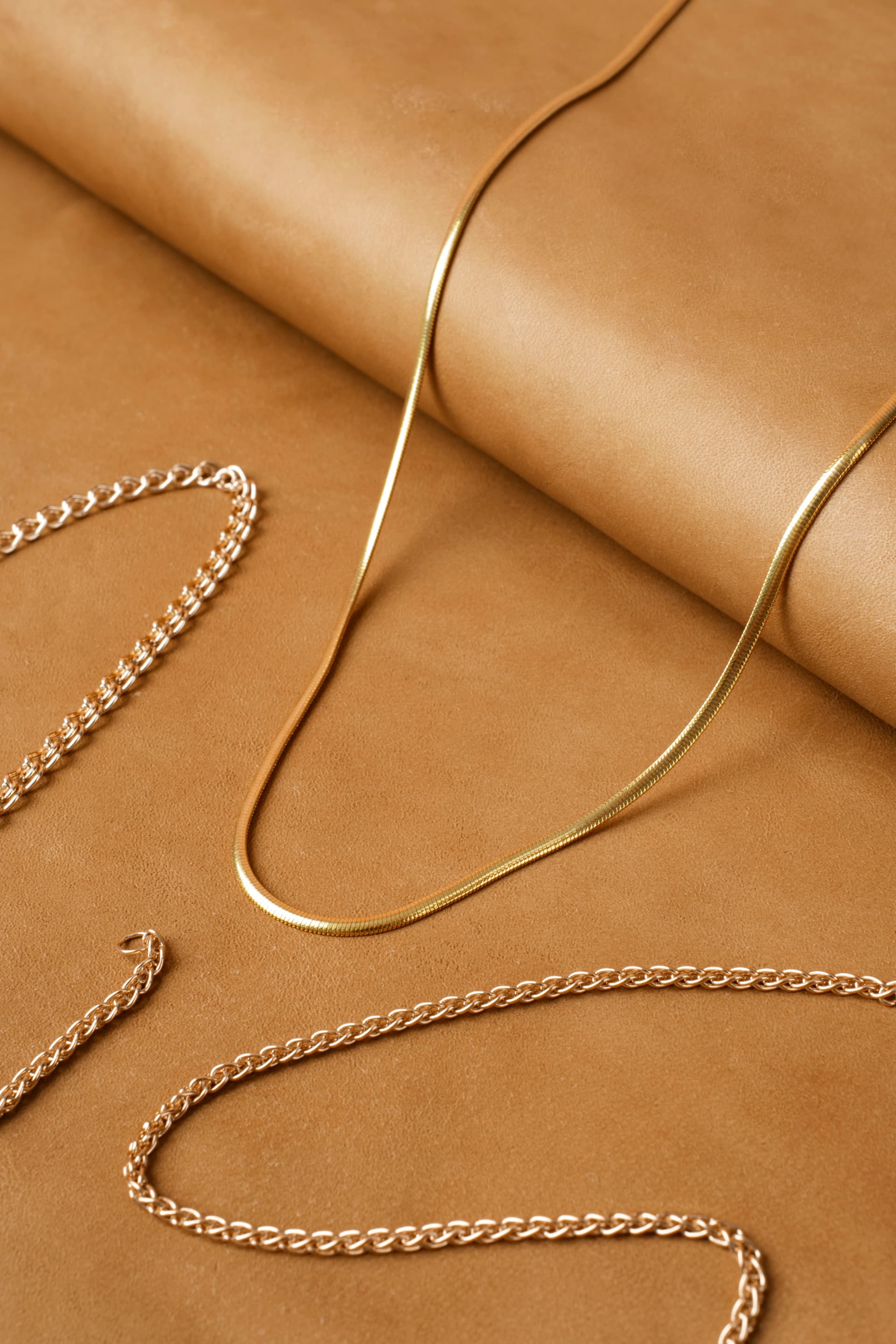
Most people purchase gold jewellery for some event, but then wear it daily. That's where it begins to get messy. A ring goes to the gym, the kitchen, the office keyboard, for three consecutive years, and one day the owner realizes it has become thinner, duller, or a little bent at the band. The karat number on the receipt usually explains why.
Gold purity is one of the factors that affects how jewellery performs with regular use. However, purity is not the only factor. The design, thickness, alloy composition and how the jewellery is used also affect its durability. This is especially important for jewellery that comes in contact with skin, water, chemicals and different surfaces every day.
For regular wear, higher purity does not always mean greater durability. 14K gold contains 58.5% pure gold and is generally harder than 18K gold, which contains 75% pure gold. 18K gold is often chosen for its richer colour and higher gold content, while 14K gold can be a practical choice when durability and everyday use are priorities.
Why Gold Purity Matters When Choosing Jewellery for Daily Use
Pure gold, 24K, is very soft compared with lower-karat gold. For this reason, pure gold is generally not preferred for jewellery that needs to withstand regular impact and wear, especially jewellery with gemstones.
All karats lower than 24 are made by mixing gold with other metals such as copper, silver or zinc. These additional metals can increase the hardness and strength of the jewellery. The amount and type of alloy used can affect how the piece responds to everyday wear.
If the jewellery is put on and taken off once a year, this may not matter as much. But before you buy gold jewellery online for something you'll wear at night, in the shower, and at your desk, it is useful to understand how the purity and construction of the jewellery can affect its everyday performance.
What Is the Difference Between 14K and 18K Gold?
The primary difference between 14K gold and 18K gold is the level of purity.
-
14K gold contains 58.5% pure gold and 41.5% alloy. BIS hallmark: 14K585.
-
18K gold contains 75% pure gold and 25% alloy. BIS hallmark: 18K750.
For hallmarked gold jewellery, the BIS hallmark and HUID can be used to check the purity details. The HUID can be verified through the BIS Care app.
14K vs. 18K Gold: Key Differences
In general, 14K gold is harder than 18K gold because it contains a higher proportion of other metals. This can make 14K a practical choice for jewellery that is worn and handled frequently. However, the durability of a jewellery piece also depends on its design, thickness, alloy composition and how it is used.
Is 14K Gold Better for Everyday Wear?
14K gold can be a practical choice for everyday jewellery. Rings, bangles and gold chains are exposed to regular movement, contact and friction, so the added alloy content can provide better resistance to scratches and bending.
14K gold:
-
Is generally harder and more durable than 18K gold.
-
Usually costs less because it contains less pure gold.
-
Can be suitable for jewellery that is worn frequently.
The main difference is colour. 14K gold has a lighter gold tone than 18K gold. If you prefer a richer gold colour, 18K may be a better choice.
Is 18K Gold Good for Everyday Wear?
Yes, 18K gold can also be worn every day with proper care. It contains 75% pure gold, giving it a richer and deeper colour than 14K gold.
18K gold is commonly used for fine and diamond jewellery. However, it is softer than 14K gold and may show scratches more easily with regular use.
Both 14K and 18K gold can be suitable for diamond rings, pendants and other gemstone jewellery. The right choice depends on the design, setting, type of stone and how often you plan to wear the piece.
If you prefer a richer gold colour, TT Devassy's 18K gold jewellery online collection offers options for different occasions and styles.
14K vs. 18K Gold: Which Should You Choose?
There is no single choice that suits everyone. 14K gold can be a good option if durability and frequent use are your priorities. It is suitable for everyday rings, chains and bangles.
18K gold may be a better fit if you prefer a richer gold colour and higher gold content. It is commonly chosen for fine and diamond jewellery.
Before choosing, consider the type of jewellery, how often you will wear it, your preferred colour and your budget.
If you are looking for 14K gold jewellery online, you can choose from different designs based on your everyday needs. If you are unsure which karat to choose, consider how you plan to wear and care for the jewellery.
Does Lower Karat Gold Tarnish Faster?
Gold itself does not easily tarnish, but the other metals mixed with gold can react with moisture, sweat and chemicals. Since 14K gold contains more alloy metals than 18K gold, it may show colour changes or oxidation more easily.
This does not mean that 14K gold will quickly become dull. Proper care can help maintain the appearance of both 14K and 18K gold jewellery. Avoid direct contact with harsh chemicals, perfumes and unnecessary exposure to water.
If your jewellery becomes dull or changes colour, professional cleaning can help restore its appearance.
Conclusion
The choice between 14K and 18K gold depends on your needs, preferences and how you plan to wear the jewellery.
14K gold contains 58.5% pure gold and is generally harder, making it a practical option for frequently worn jewellery. 18K gold contains 75% pure gold and has a richer gold colour, making it popular for fine and diamond jewellery.
Both can be suitable for everyday wear when the design, setting & care are appropriate. Consider purity, durability, colour, design and budget before making your choice.
TT Devassy Jewellery offers 14K and 18K gold jewellery in a range of designs. If you need help choosing the right karat for your needs, you can contact the team through WhatsApp or visit the store for guidance.