Jewellery
Gold vs. Diamond Jewellery: Which Is the Better Investment?
A gold or diamond jewellery purchase can be a significant expense, so it is natural to consider how well the piece may retain its value over time. However, gold and diamond jewellery are valued differently, and the resale value of a finished piece can depend on several factors. Understanding these differences can help you make a more informed choice based on your budget, preferences and expectations.
Jewellery made of pure gold has an approximate metal value based on its weight in grams and its purity. Diamond jewellery combines the price of the diamond, the gold setting, the gemstone's grade, design, and the jeweller's terms. These factors can affect the amount you may receive when you resell or exchange the piece.
If preserving a clear underlying material value is your main concern, gold has a more straightforward basis for valuation. But buying gold jewellery is not the same as buying investment-grade gold. Making charges, taxes and other purchase costs can affect how much you recover later.
Diamond jewellery needs even more care. Diamond resale value is not determined by carat weight alone. Cut, colour, clarity, certification, the specific stone, and the buyer's market can all affect its value.
So, do not choose between gold and diamonds based on the assumption that one will automatically make you money. Instead, check what you are paying for, what is documented, and what the jeweller's resale, exchange or buyback policy says.
Why Do People Buy Jewellery as an Investment?
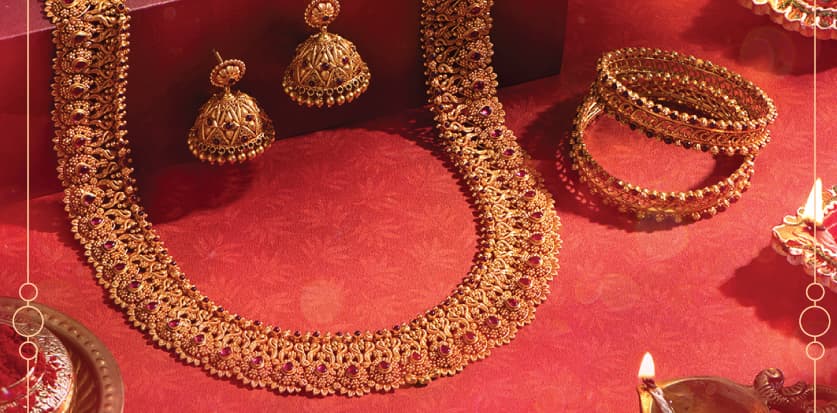
Jewellery can be both a personal accessory and a valuable asset. It can be worn and enjoyed, passed down through generations, and, depending on the piece and the jeweller’s terms, resold or exchanged later..
This is why jewellery is sometimes considered an investment.
When you purchase a piece of jewellery, you are paying for more than the basic material. The final price may include the cost of gold or diamonds, making charges, applicable taxes, and other costs. As a result, the full amount you pay may not be reflected in the resale value.
Gold jewellery is somewhat easier to value because gold has an established market price. However, the value of a finished jewellery piece is not based on the gold market price alone. Making charges, purity, net gold weight, deductions and the jeweller's policies can all affect the amount you receive.
Diamonds are different because there is no single publicly quoted price that precisely determines the resale value of an individual diamond. Factors such as the stone's quality, certification, market demand and the buyer can affect its value.
If you are mainly concerned about preserving your financial resources, understand the costs and resale terms before choosing a piece based only on its design or appearance.
How Gold Jewellery Retains Its Value
The gold content of a piece of jewellery contributes to its underlying material value.
Three factors are important when assessing the value of gold jewellery:
-
Purity: Karat indicates the proportion of gold present in the alloy.
-
Net gold weight: The actual weight of gold in the jewellery affects its material value. In India, BIS hallmarks indicate the purity of hallmarked gold jewellery. Reputable jewellers should also provide details such as purity and net precious-metal weight on the invoice. This is why buyers should look beyond the total price.
-
Resale or exchange terms: The jeweller's policies also matter. Buyback and exchange policies may specify how the jewellery is valued, what deductions apply, and what documents are required.
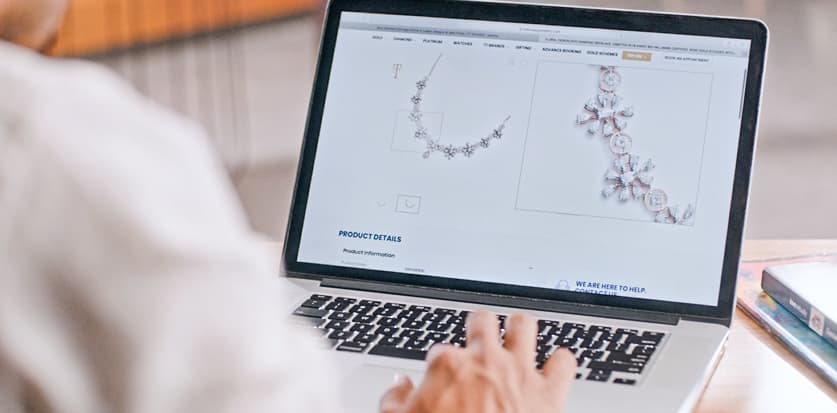
If you want to browse options first, you can explore gold jewellery online before deciding which purity, weight and design suit your needs.
What Determines the Value of Diamond Jewellery?
Diamond jewellery is harder to evaluate as a resale asset because the diamond itself has several quality variables.
The GIA's established grading system uses the 4Cs:
-
Cut
-
Colour
-
Clarity
-
Carat weight
Certification also matters. A grading report from a recognised gemological laboratory provides documented information about the diamond's characteristics.
There is no universal resale formula that applies to every diamond. The eventual value may depend on the stone, certification, market demand, jewellery setting, buyer and the jeweller's exchange or buyback policy.
So if someone tells you that a diamond will definitely retain a particular percentage of its purchase price, ask how that figure was calculated and whether the claim applies to the specific diamond you are buying.
Browse diamond jewellery online to compare certified pieces and their details before you commit to a purchase.
Gold or Diamond Jewellery: Which Should You Choose?
There is no single answer without knowing what you want from the purchase.
Consider gold when:
-
You want jewellery with a clearly measurable gold component.
-
You care about purity and net gold weight.
-
You want traditional jewellery that can also be passed down as a family asset.
-
You want to understand the material value of the piece more easily.
-
You prefer jewellery with clear exchange or buyback terms.
Consider diamonds when:
-
The jewellery itself is the main purpose of the purchase.
-
You value the quality and characteristics of the diamond.
-
You are prepared to check certification and documentation.
-
You understand the difference between the retail price and potential resale value.
-
The piece has personal or occasion-based value that matters to you beyond its resale price.
Do not buy gold or diamond jewellery only because you expect its value to increase over time. Instead, understand what you are paying for, including the material, craftsmanship, design, making charges and other applicable costs.
5 Things to Check Before Buying Jewellery
1. Check the purity and net weight
For gold, confirm the karat, hallmark and net precious-metal weight. Do not judge the value from the gross weight alone, especially when stones or other materials are included.
2. Ask for the complete price breakdown
Find out how much you are paying for gold, diamonds, making charges and applicable taxes. The final price is more important than an advertised starting price.
3. Verify diamond certification
For diamond jewellery, ask for the grading report and check the report details. Look at the 4Cs rather than relying only on terms such as "premium diamond" or "high quality."
4. Read the buyback and exchange terms
This is one of the most important checks.
Ask:
-
How is the jewellery valued when exchanged?
-
Are making charges deducted?
-
How are diamonds valued?
-
Is the policy applicable to every product or only eligible pieces?
-
What documents must you retain?
Where possible, keep the terms and invoice for future reference.
5. Separate jewellery value from investment value
A beautiful necklace can be worth buying because you love it, plan to wear it at your wedding, or want to pass it down to your family. That does not automatically make it a strong financial investment.
If pure investment exposure is your objective, compare jewellery with other forms of gold or diamond ownership before deciding. Jewellery offers an additional benefit that financial assets do not: you can wear and enjoy it.
Final Thoughts
Gold and diamond jewellery can both have lasting value, but they should not be treated as identical investments.
Gold provides a clearer connection between purity, weight and the underlying metal value. Diamonds require closer attention to quality, certification, pricing and resale conditions. For both, making charges, taxes, deductions and the jeweller's policies can affect the amount you may recover later.
If you are considering a diamond or gold purchase, explore diamond and gold jewellery online at TT Devassy Jewellery and compare the details before making your decision. You can also contact the team to learn more about available designs, certifications, exchange and buyback terms, or a specific jewellery requirement.