Jewellery
What is the Difference Between Vintage and Antique Jewellery?
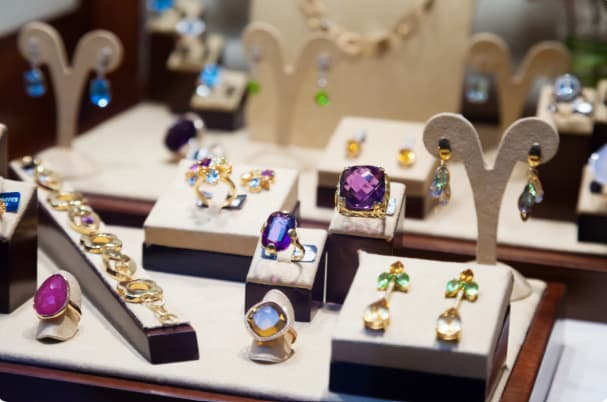
The words “vintage” and “antique” can make jewellery sound more valuable than it really is. But a piece is not antique just because a seller says so, and “vintage” does not always mean genuinely old. Knowing what these labels actually mean can help you buy with confidence.
Antique jewellery refers to an item that is more than 100 years old. That is the number nobody questions. Vintage is harder to pin down than antique. Most serious collectors use 50 to 100 years as the real range. Buying on the label alone could end up in paying antique prices for something 40 years younger.
This covers what actually separates the two, how to spot a real one, and whether buying vintage jewellery or antique jewellery is the better move for you.
What is Antique Jewellery?
Antique jewellery generally refers to jewellery that is at least 100 years old. The term is commonly used in the jewellery trade to describe pieces with genuine age and historical character. Antique jewellery can come from different historical periods, including the Georgian, Victorian, and Edwardian eras.
At the same time, “antique” is also sometimes used to describe the style or design of newly made jewellery. A newly crafted piece may draw inspiration from historical jewellery through its motifs, craftsmanship, finishes, or gemstone settings. Such pieces are better understood as antique-inspired or antique-style jewellery, while the term “antique” in its age-based sense refers to a genuinely old piece.
This distinction helps customers understand whether they are buying a piece with genuine historical age or a newly made design inspired by an earlier era.
What defines it beyond age alone?
- Handmade, before mass production took over jewellery making.
- Old-cut gemstones, rose cut and old mine cut.
- Metal standards and hallmarks specific to their era.
- It carries the historical and cultural weight of the period it came from.
What is Vintage Jewellery?
Vintage jewellery generally refers to jewellery from a past era that is younger than 100 years old. Unlike “antique,” there is no universally fixed age range for the term “vintage.” Some dealers and jewellery professionals use it for pieces that are several decades old, while others apply the term more broadly to jewellery from a recognizable past period or design era.
Vintage encompasses a couple of different eras of design:
- The Art Deco style runs from the 1920s to the 1930s and is geometric and bold.
- Retro, 1940s to 1950s: bold and big statement pieces made to stand out.
- Mid-Century jewellery, from the 1950s to 1960s, favours sculptural shapes that are less rigid than earlier styles.
- In the 1970s and 1980s, a mix of metals was used, with a focus on mass-market glamour.
Vintage is more prevalent than antique just because more products were made over the 20th century. That is why it is also cheaper and more readily available in usable form.
Vintage vs Antique Jewellery: Key Differences
Age
- Antique jewellery: Generally refers to jewellery that is at least 100 years old.
- Vintage jewellery: Usually refers to jewellery from a past era that is younger than antique. There is no universally fixed age range for the term “vintage.”
Production
- Antique jewellery: Often reflects hand craftsmanship and techniques specific to its period, although production methods varied across different eras.
- Vintage jewellery: Can include both handcrafted and mechanically produced pieces, depending on when and how they were made.
Rarity
- Antique jewellery: Many antique pieces are scarce because of their age, but not every antique piece is rare.
- Vintage jewellery: Can range from relatively common designs to rare and highly collectible pieces.
Gemstone Cuts
- Antique jewellery: May feature historical cuts such as rose cuts, old mine cuts, and old European cuts, depending on the period.
- Vintage jewellery: May feature period-specific cuts as well as later cutting styles, including transitional and modern brilliant cuts.
Value
- Antique jewellery: Value depends on factors such as age, rarity, condition, craftsmanship, provenance, gemstones, and market demand.
- Vintage jewellery: Value also depends on factors such as design, condition, rarity, designer, gemstones, provenance, and demand.
Historical Connection
- Antique jewellery: Refers to jewellery that is at least 100 years old and may be associated with a particular historical period, culture, or style.
- Vintage jewellery: Generally refers to jewellery associated with a recognizable past era or period of design, often from the 20th century or later.
.
How to Identify Antique and Vintage Jewellery
For Antique Jewellery
Hallmarks: Older hallmarks can help identify the country, metal purity, and period in which the piece was made. A jeweller or appraiser can help interpret them.
Gemstone cuts: Rose cuts and old mine cuts are common in antique jewellery and can suggest an earlier period. However, stones may have been replaced or reset, so the cut alone cannot confirm the age.
Construction: Hand-soldered joints, handmade details, and slight irregularities can point to older craftsmanship.
Signs of age: Softened edges, worn prongs, surface wear, and natural patina can support the claim that a piece is genuinely old.
Provenance: Old receipts, estate records, previous appraisals, or other documentation can provide stronger evidence of age and history.
For Vintage Jewellery
Hallmarks: Hallmarks can help identify the maker, metal, and period. Pieces from the Art Deco, Retro, Mid-Century, and later 20th-century periods may have markings that help establish when they were made.
Gemstone cuts: Vintage jewellery is more likely to feature modern brilliant cuts, although older cuts can also appear in vintage pieces, especially when stones have been reused.
Construction: Vintage jewellery may show a mix of handcrafting and machine production. More consistent, uniform components usually point to later manufacturing.
Metal: Platinum, yellow gold, white gold, and rose gold were used differently across the 20th century. The metal and its purity can therefore provide clues about the period.
Condition: Normal wear, scratches, worn settings, and changes in the metal can support the age of a vintage piece, but these signs are not proof by themselves.
Provenance: Receipts, original boxes, certificates, estate records, or previous appraisals can help establish when and where the jewellery was purchased.
If you are buying antique jewellery or vintage jewellery, do not rely on one clue alone. Hallmarks, construction, gemstones, metal, condition, and provenance should all be considered together. When the value is significant, an independent appraisal is worth getting before you pay.
Which is More Valuable?
Age alone doesn't set an antique's price, even though older pieces are naturally rarer. What actually moves the number is condition, gemstone quality, current demand, and above all, attribution. A worn-out 200-year-old piece can sell for less than a 1930s Art Deco bracelet in solid condition will move value more than age ever will. Rarity and history matter, but treat age as one ingredient in the price.
Should You Buy Vintage or Antique Jewellery?
Antique suits those who want rarity, investment potential, and documented history behind the piece. It takes a larger budget and the patience to check provenance carefully.
Vintage suits buyers who want era-specific design without antique-level pricing. Vintage pieces are generally sturdier for daily wear than antiques, though resizing and repair should still be confirmed piece by piece.
If neither vintage nor antique jewellery appeals to you and you'd rather have something newly made, explore our current range to buy gold jewellery online instead.
Buying tips:
Before paying, get verification of hallmarks and/or an independent appraisal, if available.
Check recent auction results for similar pieces before agreeing to a price.
Confirm resizing and repair feasibility upfront; older settings don't always tolerate modern resizing work.
If buying online, check the return and buyback terms before your payment clears.
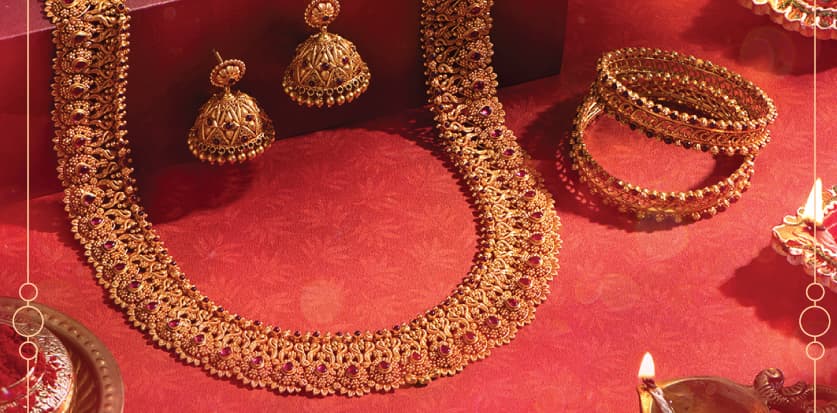
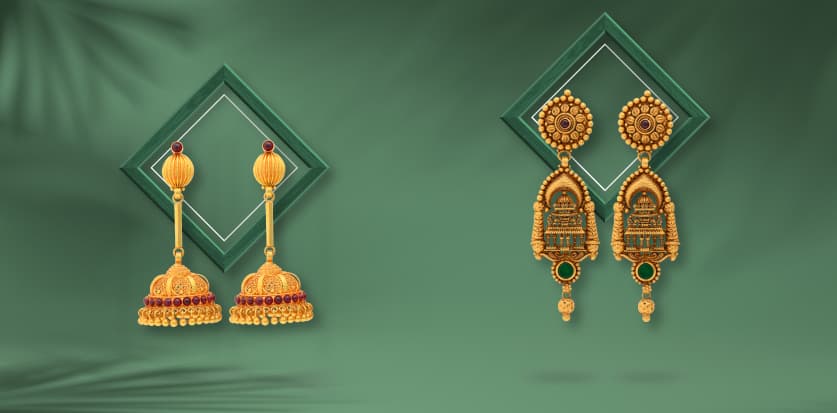
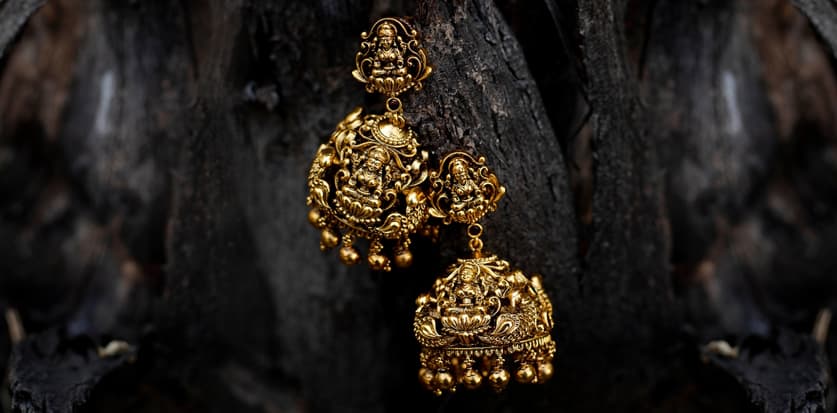
If you want the old-world look without the estate-sale hunt or the provenance risk, then that is a different purchase and is an easier one. Explore TT Devassy antique jewellery online collection, ANTIKA, newly crafted with temple and heritage-inspired design, in certified 22KT gold with BIS hallmarking, and backed by a buyback policy. This piece is antique in style, not antique in age, so it changes what you're actually paying for.
Conclusion
Whether you choose a genuinely old piece or a newer design inspired by the past, the right choice comes down to what you value most. Look beyond the label, understand the piece's history and craftsmanship, and make sure the price reflects what you are actually buying. A little research before your purchase can help you find a piece that you will appreciate for years to come.
If you’re torn between timeless vintage charm and the rich character of antique-inspired jewellery, TT Devassy Jewellery can help you find the right match. Our jewellery experts can guide you through the unique details, styles, and craftsmanship of each piece, helping you choose a design that truly reflects your personality. Have questions? Call us at +91 94979 16000 and let’s find your perfect piece.