Jewellery
What Is the Best Platinum Purity for Rings? A Buyer's Guide

A jeweller shows you two platinum rings. One is stamped Pt950, and the other is stamped Pt999. You might assume that the ring with the higher number is the better choice. However, platinum purity is only one factor to consider when buying a ring.
A ring needs to withstand everyday wear, especially if you plan to wear it for years. Its durability depends on the platinum alloy, the design, and how the ring is made. The purity stamp tells you how much platinum the metal contains, but it does not tell you everything about the ring's strength or suitability.
For many buyers, Pt950 is a practical starting point. It contains 95% platinum and is widely used in platinum jewellery. Before buying, check the purity marking, ask for an itemised bill, and confirm the ring's metal weight and after-sales terms. This guide explains what the different platinum grades mean and what to check before making a purchase.
The Meaning of the Number on a Platinum Ring
Platinum purity is measured in parts per thousand. A Pt950 alloy contains at least 950 parts platinum and up to 50 parts other metals in every 1,000 parts. A Pt900 alloy contains 90% platinum, while Pt850 contains 85%.
The Bureau of Indian Standards (BIS) standard IS 15329 lists the following platinum grades for jewellery and artefacts:
-
Fine platinum: 999.5 and 999
-
Platinum alloys: 950, 900, and 850
These numbers indicate the platinum content, not the overall quality or durability of the finished ring. A lower-purity grade is not automatically fake or unsuitable. Buyers should check the metal composition, the manufacturer's information, and the documentation provided with the ring.
Platinum 950 vs Platinum 999
Pt950 contains 95% platinum, while Pt999 contains 99.9%. The main difference is the amount of platinum in the metal.
Pure platinum is relatively soft, so it is generally alloyed with other metals for jewellery. These additional metals can change the alloy's hardness and other properties. However, durability depends on the specific alloy and manufacturing process, so purity alone cannot tell you which ring will resist bending or wear better.
Pt950 is a common choice for jewellery because it combines a high platinum content with properties suitable for many ring designs. Pt999 contains more platinum by weight, but it should not automatically be considered stronger or more durable.
If you are comparing two rings, ask the jeweller about the alloy composition, design, and suitability for everyday wear. This is especially important if the ring has a gemstone held by small prongs.
Platinum Purity for Engagement Rings
Engagement rings are often worn every day, so the metal and setting need to suit regular use. Rings with gemstones may have small prongs that hold the stones in place. These settings need proper care and occasional inspection.
Pt950 is a widely used option for engagement rings. However, Pt900 and Pt850 are also recognised platinum alloy grades under the relevant Indian standard. A ring made from one of these grades is not automatically unsuitable. Ask the jeweller about the alloy, the setting, and whether the design is appropriate for everyday wear.
Before purchasing, compare the platinum weight, making charges, and total price. The bill should clearly show what you are paying for.
Platinum Ring Durability
Platinum can develop scratches with regular wear. Over time, these marks may create a softer, satin-like appearance known as a patina.
Some people like this natural finish, while others prefer the smoother appearance of a freshly polished ring. Polishing can improve the finish, but it should be done by a qualified jeweller who understands platinum jewellery.
Ask about the recommended care, polishing options, and any charges before buying. If you plan to wear the ring daily, these details can help you understand the maintenance it may need over the years.
Platinum Hallmarking and Purity Checks
When buying a platinum ring, check the markings and ask for documentation that supports the purity claim. A stamp is useful, but you should not rely on it as your only proof.
1. Check the purity marking
Look inside the ring band for a marking such as Pt950. The number indicates the stated platinum fineness. If the marking is missing or unclear, ask the seller to explain the purity and provide supporting documentation.
2. Ask about the quality assurance card
Platinum Guild International India operates a quality assurance programme under which participating jewellery carries a Pt950 marking and a tamper-proof quality assurance card. If a seller says the ring is covered by this programme, ask to see the card and check that the details match the item.
3. Check the bill
The bill should clearly state the platinum weight, stone details where applicable, making charges, and total price. Ask the seller how the platinum price has been calculated and whether any additional charges apply.
Do not rely on appearance or a simple home test to confirm platinum purity. If you have doubts, ask a qualified professional or an appropriate testing facility to assess the metal.
Where Buyers Can Make Costly Mistakes
A few simple checks can help you avoid confusion when purchasing a platinum ring:
-
Accepting a verbal purity claim without checking the marking or supporting documents.
-
Comparing prices without checking the platinum weight and stone weight separately.
-
Overlooking making charges or other costs included in the final price.
-
Assuming that resizing, polishing, or repairs are included without checking the store's policy.
Ask the jeweller to explain any charges or conditions you do not understand. Get important details in writing before completing the purchase.
Platinum Ring Buying Guide: Five Checks Before You Pay
Use this checklist when comparing platinum rings:
-
Purity: Check the stated platinum grade, such as Pt950, and ask about the alloy.
-
Marking: Read the purity stamp inside the band and ask for clarification if it is unclear.
-
Documentation: Request the available quality assurance documents and an itemised bill.
-
Setting: If the ring has a gemstone, examine the setting and ask how the stone is secured.
-
After-sales service: Confirm the terms for resizing, polishing, repairs, and exchange in writing.
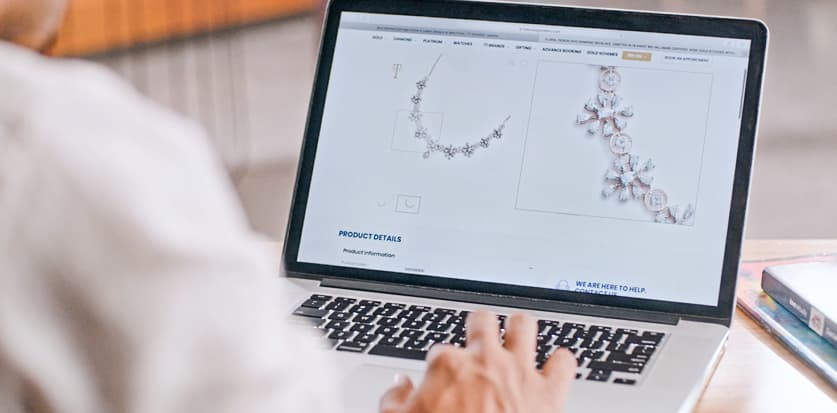
If you want to buy a platinum ring online, check the product description, metal weight, purity details, and return policy before placing your order. Contact the seller if any information is missing.
TT Devassy Jewellery has been in the jewellery business since 1941 and is now in its fourth generation. Its jewellery range includes platinum, gold, diamond, and silver pieces, along with custom platinum orders.
You can explore the collection and buy platinum jewellery online. You can also enquire about a store appointment if you would prefer to view a ring before making a purchase.
Conclusion
Pt950 is a common choice for platinum rings because it combines high platinum content with properties suitable for many jewellery designs. However, the best option depends on the ring's construction, alloy, setting, and intended use. Check the purity details, compare the total cost, and understand the after-sales terms before buying.
Explore the platinum collection at TT Devassy Jewellery or contact the store to discuss your requirements and arrange a consultation.