Jewellery
How to Store Gold Necklaces to Prevent Damage and Tangling
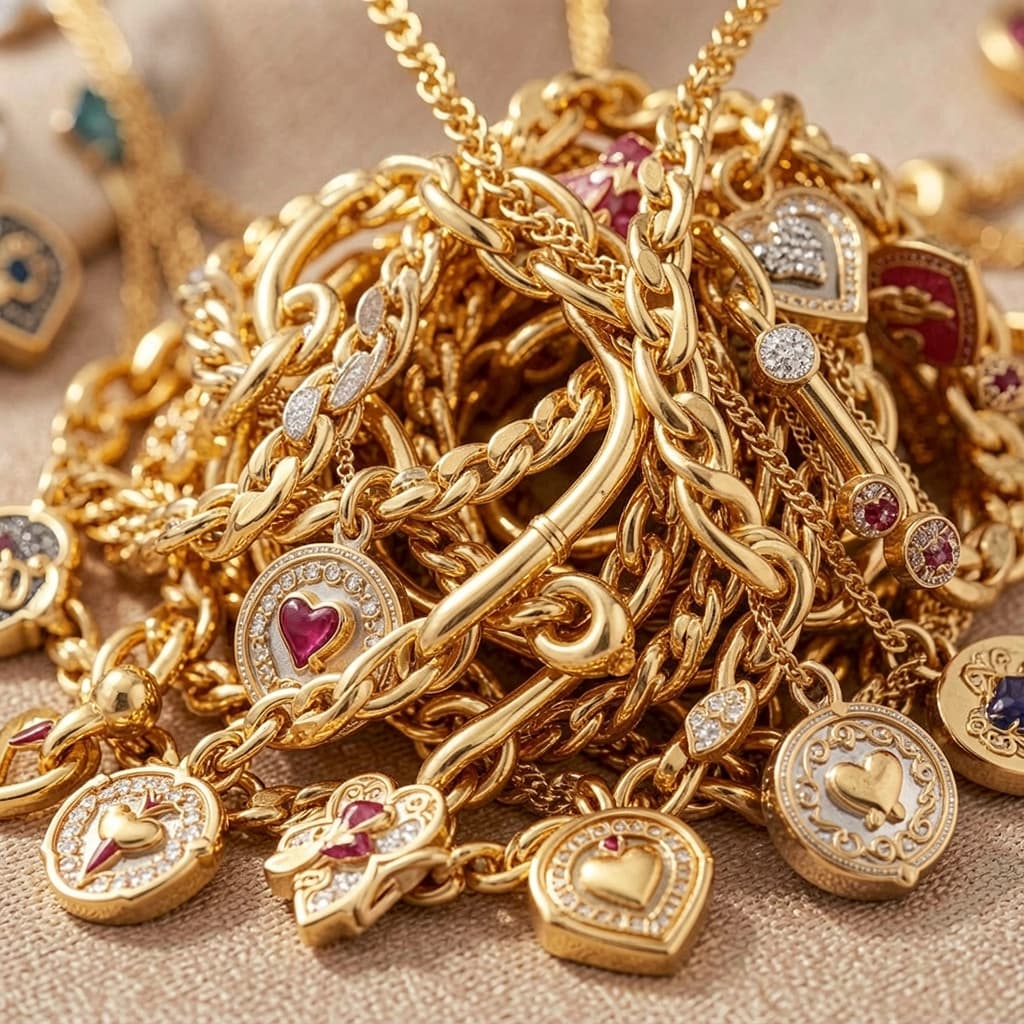
A knotted chain isn't just annoying; it can also cause damage. Every knot stretches the links and stresses the joints. Good storage doesn't need an expensive jewellery box. The key gold jewellery storage tips come down to separation, low humidity, and keeping gold away from other metals and chemicals, whether the piece is a family heirloom or was purchased through online gold jewellery shopping. Follow these four rules, and your necklace can stay in good condition for years:
- store each piece separately
- keep it dry
- keep the clasp closed
- check on it twice a year.
That's the whole system. Here's why it works.
A Common Mistake in Storing Gold Jewellery
Storing a necklace without separating it from others often leads to tangling over time. Separating each piece is the simplest way to prevent gold necklace tangling. Untangling a knotted chain usually takes several minutes and can bend links or damage the clasp in the process.
Gold is malleable, particularly when it is purer. Bridal and traditional jewellery made with 22K gold scratches more easily than lower-karat pieces, because it contains less hardening alloy. Two necklaces that touch in a drawer slowly act like sandpaper on each other,whenever the drawer is opened or closed. Over time, you may simply notice that the shine has diminished.
When a knotted chain is pulled, twisted, and pulled straight, the strain falls on the weakest points, the clasp and the soldered links.
Tarnish is another concern. Pure gold is chemically stable and does not readily react with air. However, none of your necklaces are made of pure gold; they are mixed with copper and silver for strength, and those alloys can react with moisture, sweat, and sulphur compounds in the air. That dullness is not necessarily the gold itself failing; it's the surrounding alloy reacting and wearing down.
This kind of damage usually builds up gradually. It adds up quietly, until the necklace you loved needs a repair it didn't have to need.
Best practices for Gold Necklace Storage
If you're planning to buy gold necklace online, how you store each piece matters as much as the piece itself.
Give every necklace its own space. Use one compartment, pouch, or hook for each piece. Avoid letting necklaces touch each other during storage. This simple habit can significantly reduce the risk of scratches.
Fasten the clasp before you put it away. A closed loop can't tangle with itself or anything else nearby.
Use soft, lined compartments, not bare wood or metal trays. Velvet or fabric lining absorbs the small shocks that plain surfaces don't. Look for organizers with padded or velvet interiors and multiple compartments built specifically to stop tangling and scratching.
Control humidity. Bathrooms are the worst place to store gold. Steam and moisture speed up tarnish on the alloy content. A bedroom drawer or closet, away from direct sunlight and heat, is the right environment.
Add silica gel packets or anti-tarnish strips to your storage box. These absorb ambient moisture. Replace them every few months.
Keep gold separate from other metals. Storing your gold chain next to a silver one or a stainless steel piece means constant micro-contact. Stainless steel is noticeably harder than gold and will wear it down over time, and even softer metals like silver can leave scratches or transfer tarnish through repeated contact.
Handle less, not more. Organized storage means you find what you want without digging through a pile, which cuts the handling that causes wear.
Common storage mistakes to avoid
Most damage isn't caused by wearing your gold. It's caused by how you put it away, and avoiding a few habits is often enough to prevent gold necklace damage before it starts.
- Piling multiple necklaces in one box compartment: This is the single biggest cause of both tangling and surface scratching, and it's the easiest one to fix.
- Leaving the clasp open: An open clasp is an invitation for the chain to go round itself.
- Storing jewellery in the bathroom is a mistake: Steam and humidity in this spot speed up tarnish faster than almost anywhere else in the house.
- Using plastic bags for long-term storage: Plastic traps moisture against the metal instead of letting it breathe.
- Mixing gold with gemstone pieces without separation: Some harder stones will scratch the soft gold when in contact, even if it is accidental.
- Forgetting about it for months: A necklace left unchecked for a year can develop tarnish or a weak clasp you won't notice until it fails while you're wearing it.
Conclusion
Good storage isn't a luxury when you own gold jewellery. It's a requirement. It's the difference between a necklace that still looks new in 10 years and one that you have to constantly repair. Divide items into sections, store in a dry location, secure all clasps, and inspect collections twice a year. If you're creating a collection you want to keep and care for, begin with pieces that are designed to do just that.
Explore TT Devassy Jewellery's exclusive collections, featuring BIS-hallmarked pieces and four generations of craftsmanship since 1941.
Ready to add to your collection? Explore TT Devassy Jewellery’s gold jewellery collection and find a piece you’ll treasure for years to come. .